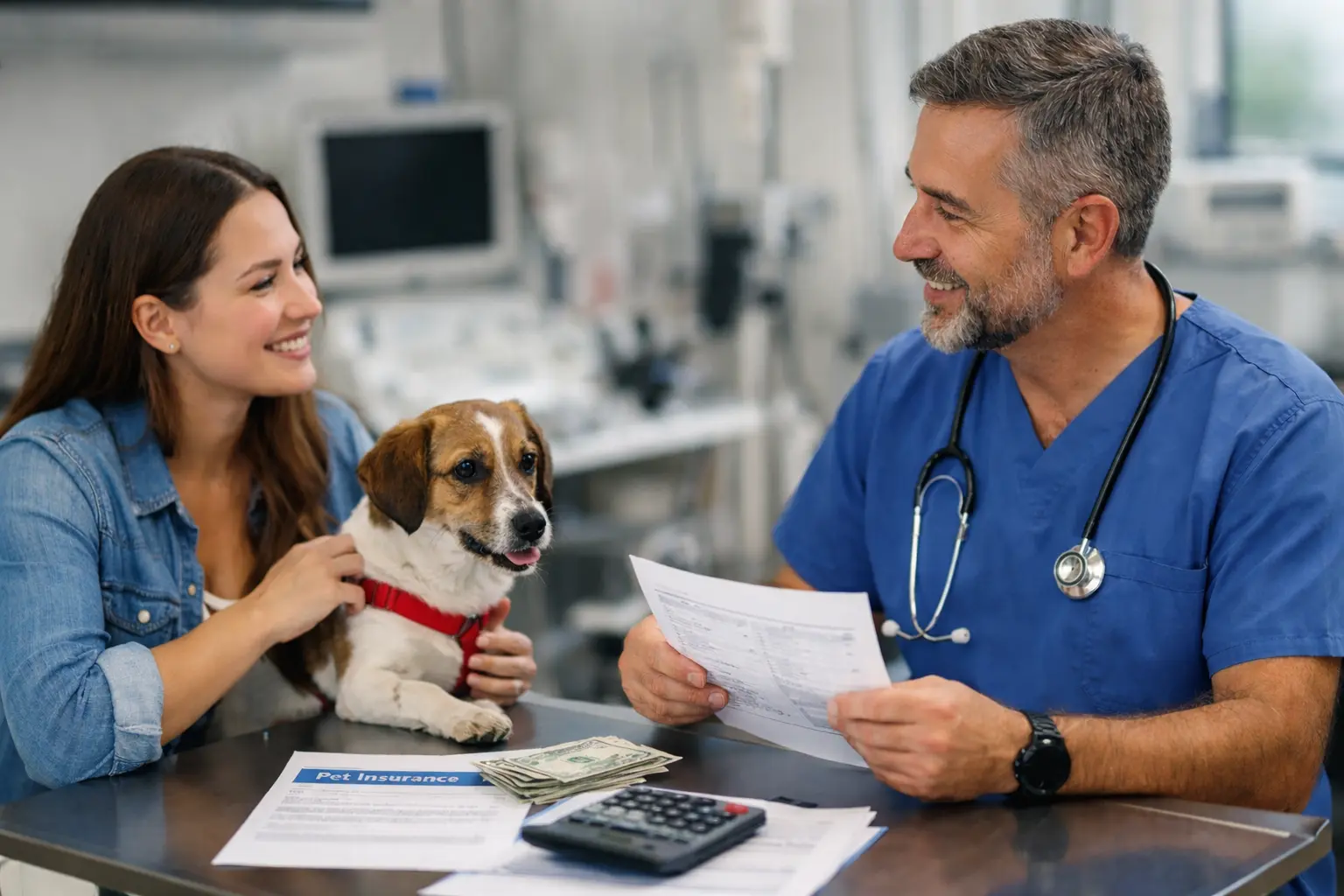
These days, most of us don’t really think of our pets as just animals anymore. They are like family. But there’s one part of pet parenting people do not think about early enough and it is vet bills and pet medical bills.
A basic infection can really cost $100 – $500. But a surgery or an accident can generally cost $1,500 – $10,000. And the worst part? These expenses always come suddenly.
That’s why in 2026, pet insurance is no longer a luxury. It’s financial protection.
In this guide, I’ll explain in very simple terms:
- What pet insurance actually is?
- How Much Pet Insurance Cost?
- What it covers and what it doesn’t?
- How to Lower Vet Bills?
- And my own real experience choosing a policy?
No complicated terms — just what you actually need to know.
What is Pet Insurance?
Pet insurance is simply like health insurance for humans. You just have to pay a fixed monthly or premium yearly. If your pet gets sick or injured, the insurance company pays a large part of the treatment vet insurance cost. So instead of paying a huge amount suddenly, you pay a small predictable amount regularly. Small payment now → protection from big Unexpected vet bills later.
Why Pet Insurance Matters More in 2026?
Vet care has become much better, but also much more expensive. Here’s a realistic pet insurance cost range in USA today:
| Treatment | Average Cost |
| Fever or infection | $200 – $1,000+ |
| Skin allergy | $100 – $500+ |
| Fracture | $3,500 – $10,000 per knee |
| Pet surgery cost | $2,000 – $7,500+ |
| ICU stay | $600 – $1,700 per night |
One emergency can really wipe out your full monthly salary. Insurance does not make your pets treatment free, but it makes it quite manageable.
What Does Pet Insurance Cover?
Policies can really differ-by-differ, but many cheap pet insurance plans cover:
1. Illness Treatment
- Fever
- Vomiting infections
- Stomach infections
- Liver issues
- Kidney issues
- Skin diseases
- Bacterial infections
- Viral infections
2. Accident Coverage
- Road accidents
- Cuts and wounds
- Bite injuries
- Broken bones
3. Surgeries
- Tumor removal
- Emergency operations
- Internal infections (like pyometra)
4. Hospitalization
If your pet needs to stay at the clinic for multiple days, the cheap pet Insurance covers a major part of it.
Medicines and Diagnostics
- Blood tests
- X-rays
- Ultrasound
- Prescribed medicines
What Pet Insurance Does NOT Cover?
Many people misunderstand this part. Insurance does not mean every vet visit becomes free.
Most policies do not cover:
- Vaccinations
- Grooming
- Nail trimming
- Routine checkups
- Fever during the 1st waiting period
So reading the policy terms is extremely important.
My Personal Experience
I have a dog and a cat. When I first thought about insurance, I didn’t buy it immediately.
Honestly, I spent days comparing providers online. I remember sitting and checking so many insurance plans online. For example, comparing prices, reading reviews, trying to understand the claim process. At that time it honestly felt pointless, like I was overdoing it. Then about six months later, out of nowhere, my dog got a stomach infection.
Total bill = $8,000 approx
Insurance paid = $2,800
That was the moment I realized, Budget Friendly Pet Insurance isn’t an extra expense. It’s a backup plan you hope you never need, but are grateful to have. Also the pet insurance cost is not really much.
7 Practical Ways of How to Reduce Vet Costs in 2026
Insurance helps, but daily care matters even more. Here’s what actually works.
1. Get Insurance Early
The younger the pet, the cheaper the premium.
Also:
- No prior existing diseases
- Higher claim approval rate
If you wait too long: Premium increases and many conditions won’t be covered.
Best time: 2 – 6 months age
2. Do Preventive Checkups
Small problems become veterinary costs emergencies.
| Ignored Problem | Later Result |
| Ear infection | Surgery |
| Dental tartar | Gum disease |
| Repeated vomiting | Liver issue |
A checkup every 6 months prevents major bills.
3. Control Diet at Home
Most vet visits happen because of food mistakes.
Avoid feeding:
- Biscuits
- Milk products
- Oily leftovers
- Spicy human food
Balanced food = fewer stomach problems = fewer clinic visits
4. Vaccinate on Time
Diseases like Parvo and Distemper really cause death to your pet and it is very costly to treat.
- Treatment cost: $500 – $5,000+ per case.
- Vaccine cost: $20 – $100 per dose.
It is best to prevent your pet from surgery because this can save a huge budget.
5. Compare Vet Prices
Not all clinics charge the same.
For example:
- Clinic A surgery:- $200 – $600
- Clinic B surgery:- 2,500 – $6,000
If we look in non-emergency situations, you can always ask for cost estimates.
6. Keep a Pet Emergency Fund
Insurance won’t cover everything. Save money on vet bills around$600–$1,200 annually in a separate pet fund. In one year you’ll have $200–$500 enough for minor treatments without stress. This can really save huge money with affordable pet insurance.
7. Understand the Claim Process
Many people buy insurance but struggle during claims.
Always check:
- Cashless or reimbursement?
- Required documents
- Processing time
If you don’t understand the claim steps, the policy becomes useless when needed.
How to Choose a Good Policy?
Before buying, confirm these pet insurance coverage:
- Short waiting period
- High coverage limit
- Simple claim process
- Chronic illness coverage
- Lifetime renewal option
Never choose only based on the cheapest premium. Cheap plans often reject claims.
How Much Money Insurance Actually Saves?
Realistic comparison: Over your pet’s lifetime, the savings can be huge.
| Situation | Without Insurance | With Insurance |
| Surgery | $3,800 | $4,800 |
| Accident | $300 | $400 |
| Hospital stay | $490 | $500 |
Who Needs Pet Insurance the Most?
- Active dog breeds (Labrador, Indie, Husky)
- Rescued street pets
- Kittens
- Elder pets (7+ years)
- Apartment pets (higher infection risk)
Basically, any pet you would never want to deny treatment because of money.
Final Thoughts
Pet parenting is emotional, but emergencies are financial. When your pet gets sick, you don’t think logically. You just want them treated. But the bill forces you to think about money. Insurance removes that hesitation.
I used to think pet insurance cost you more and it was optional. After one emergency, I understood, it gives peace of mind. You don’t ask, “Can I afford treatment?” You ask, “What treatment is best?” That’s the real benefit.
Disclaimer: The information on this website is for general educational purposes only and does not replace professional veterinary advice. Always consult a licensed vet before making medical or financial decisions for your pet’s healthcare.
Have any thoughts?
Share your reaction or leave a quick response — we’d love to hear what you think!
-
 0
0
-
 0
0
-
 0
0
-
 0
0
-
 0
0
-
 0
0