
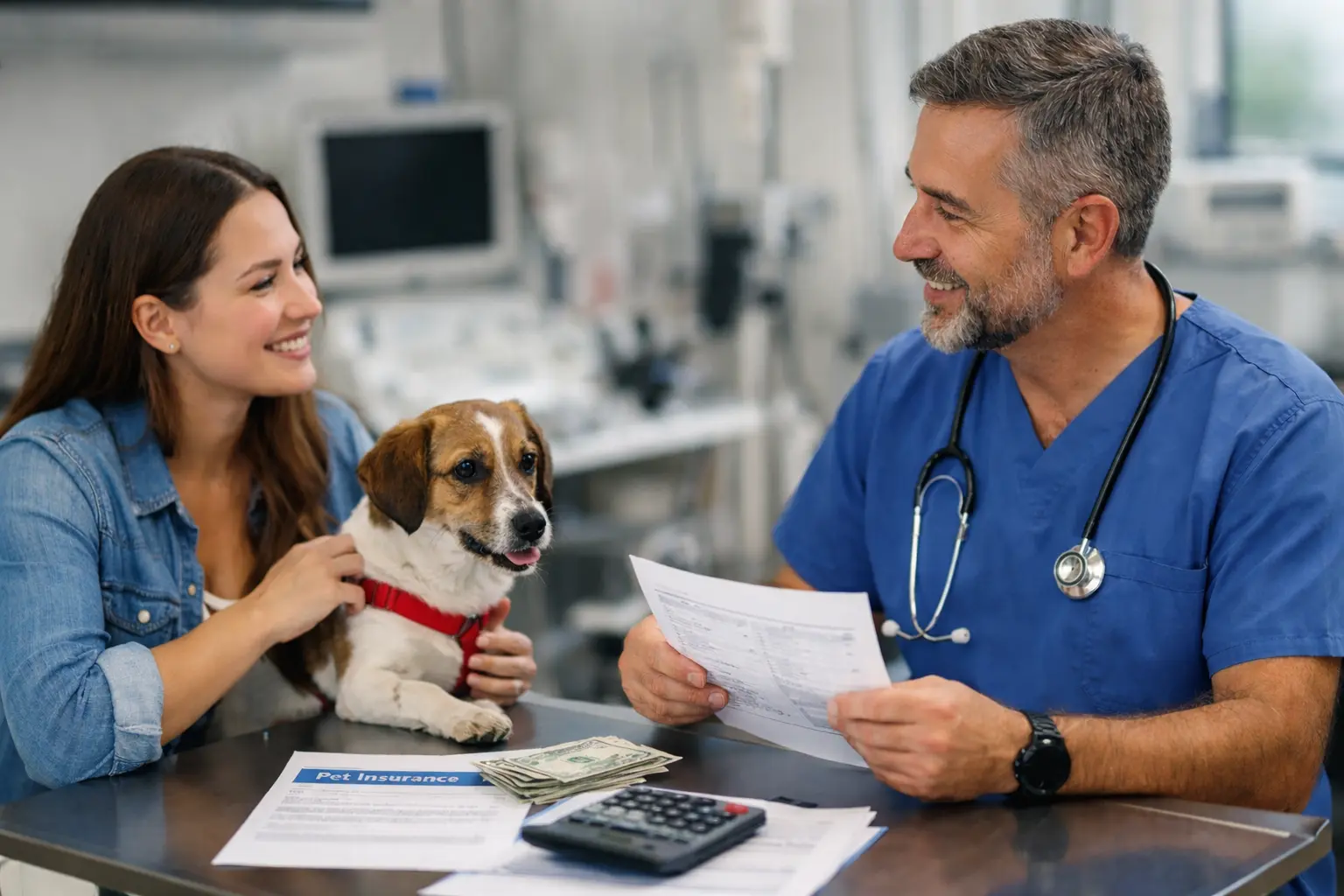
Our pets are truly like part of our family. We don’t see them as just animals—they are important to us. They sleep on our beds, cheer us up on bad days, and sometimes understand us better than people do.
There is one thing that many pet owners do not think about until it is too late. It is vet bills. A basic infection can cost anywhere from $100 to $500. An accident or surgery?
That can easily cost between $1,500 and $10,000. The hardest part is that these expenses usually pop up out of nowhere at a bad time. Car repairs are an example of these surprise expenses.
They are really frustrating because you have to pay for them away. That’s why, in 2026, pet insurance has changed from being a luxury item to a financial safety net for people who own pets.
In this guide, I’ll explain in very simple terms:
- What is pet insurance?
- How Much Does Pet Insurance Cost?
- What does it cover and what it doesn’t?
- How to Lower Vet Bills?
- And my own real experience choosing a policy?
No complicated terms — just what you actually need to know.
What is Pet Insurance?
Pet insurance is simply like health insurance for humans. You just have to pay a fixed monthly or yearly premium. If your pet gets sick or injured, the insurance company pays a large part of the treatment cost. So instead of paying a huge amount suddenly, you pay a small, predictable amount regularly. Small payment now → protection from big Unexpected vet bills later.
Why Pet Insurance Matters More in 2026?
Vet care has become much better, but also much more expensive. Here’s a realistic pet insurance cost range in the USA today:
| Treatment | Average Cost |
|---|---|
| Fever or infection | $200 – $1,000+ |
| Skin allergy | $100 – $500+ |
| Fracture | $3,500 – $10,000 per knee |
| Pet surgery cost | $2,000 – $7,500+ |
| ICU stay | $600 – $1,700 per night |
One emergency can really wipe out your full monthly salary. Insurance does not make your pet’s treatment free, but it makes it quite manageable.
What Does Pet Insurance Cover?
Policies can really differ, but many cheap pet insurance plans cover:
1. Illness Treatment
- Fever
- Vomiting infections
- Stomach infections
- Liver issues
- Kidney issues
- Skin diseases
- Bacterial infections
- Viral infections
2. Accident Coverage
- Road accidents
- Cuts and wounds
- Bite injuries
- Broken bones
3. Surgeries
- Tumor removal
- Emergency operations
- Internal infections (like pyometra)
4. Hospitalization
If your pet needs to stay at the clinic for multiple days, the cheap pet Insurance covers a major part of it.
Medicines and Diagnostics
- Blood tests
- X-rays
- Ultrasound
- Prescribed medicines
What Pet Insurance Does NOT Cover?
Many people misunderstand this part. Insurance does not mean every vet visit becomes free.
Most policies do not cover:
- Vaccinations
- Grooming
- Nail trimming
- Routine checkups
- Fever during the 1st waiting period
So reading the policy terms is extremely important.
My Personal Experience
I have a dog and a cat, and I’ll be honest, when I first looked into pet insurance, I was not convinced it was worth it.
I took a lot of time to look at companies on the internet, I read all the paperwork for the policies, I checked what other people thought of them, and I tried to figure out how to make a claim if something went wrong. It seemed like I was thinking about it a lot at the time. My pets were healthy. Why was I worrying?
Then six months later, my dog got a bad stomach infection out of nowhere. The total bill was $8,000. The insurance covered $2,800 of the bill for my dog.
That moment changed my perspective completely. The monthly premium I would be paying suddenly felt like the smartest financial decision I’d made that year. It didn’t eliminate the stress, but it removed the impossible choice between your savings and your pet’s health.
“Pet insurance is not an extra expense. It’s a backup plan you hope you never need, but you will be incredibly grateful to have when you do.”
7 Practical Ways to Reduce Vet Costs in 2026
Insurance helps, but daily care matters even more. Here’s what actually works.
1. Get Insurance Early
The younger the pet, the cheaper the premium.
Also:
- No prior existing diseases
- Higher claim approval rate
If you wait too long, the premiums increase, and many conditions won’t be covered.
Best time: 2 – 6 months old
2. Do Preventive Checkups
Small problems become veterinary costs emergencies.
| Ignored Problem | Later Result |
|---|---|
| Ear infection | Surgery |
| Dental tartar | Gum disease |
| Repeated vomiting | Liver issue |
A checkup every 6 months prevents major bills.
3. Control Diet at Home
Most vet visits happen because of food mistakes.
Avoid feeding:
- Biscuits
- Milk products
- Oily leftovers
- Spicy human food
Balanced food = fewer stomach problems = fewer clinic visits
4. Vaccinate on Time
Diseases like Parvo and Distemper really cause death to your pet, and it is very costly to treat.
- Treatment cost: $500 – $5,000+ per case.
- Vaccine cost: $20 – $100 per dose.
It is best to prevent your pet from undergoing surgery because this can save a huge amount of money.
5. Compare Vet Prices
Not all clinics charge the same.
For example:
- Clinic A surgery:- $200 – $600
- Clinic B surgery:- 2,500 – $6,000
If we look at non-emergency situations, you can always ask for cost estimates.
6. Keep a Pet Emergency Fund
Insurance won’t cover everything. Save money on vet bills around $600–$1,200 annually in a separate pet fund. In one year, you’ll have $200–$500, enough for minor treatments without stress. This can really save a huge amount of money with affordable pet insurance.
7. Understand the Claim Process
Many people buy insurance but struggle with claims.
Always check:
- Cashless or reimbursement?
- Required documents
- Processing time
If you don’t understand the claim steps, the policy becomes useless when needed.
How to Choose the Right Policy?
When you are trying to pick an insurance plan, it can be really tough to figure out what is important. There are many pet insurance plans out there.
Here are the things that matter most when you are trying to evaluate an insurance plan.
- Short waiting period, the sooner coverage kicks in, the better.
- High annual coverage limit, low limits can leave you exposed for major treatments.
- Clear, straightforward claims process; complicated processes lead to delays when you need help fast.
- Coverage for chronic and recurring illnesses, not just one-off incidents.
- Lifetime renewal option, so you don’t lose coverage as your pet gets older.
Which Pets Benefit Most From Insurance?
The honest answer is: any pet you would never want to deny treatment to because of the cost.
But some situations make insurance especially valuable:
- Active or high-energy dog breeds.
- Rescued street animals, these often have unknown health histories.
- Kittens and puppies during their first year.
- Senior pets aged 7 and above when health issues becoming more common.
- Apartment pets, enclosed environments can actually increase the risk of certain infections.
How Much Money Does Insurance Actually Save?
Realistic comparison: Over your pet’s lifetime, the savings can be huge.
| Situation | Without Insurance | With Insurance |
|---|---|---|
| Surgery | $3,800 | $4,800 |
| Accident | $300 | $400 |
| Hospital stay | $490 | $500 |
Who Needs Pet Insurance the Most?
- Active dog breeds (Labrador, Indie, Husky)
- Rescued street pets
- Kittens
- Elder pets (7+ years)
- Apartment pets (higher infection risk)
Basically, any pet you would never want to deny treatment because of money.
Final Thoughts
Pet parenting is deeply emotional. But pet emergencies are financial realities. When your pet is sick or injured, you’re not thinking rationally; you just want them to be okay. The problem is that the bill forces you to think about money at exactly the moment you’re least equipped to do so.
That’s what insurance is really for. Not to make vet care free, but to remove the impossible choice between your finances and your pet’s well-being.
I used to think of it as optional. After one emergency, I understood it differently. When you take the right policy, you will stop asking if you can afford this. Also, you will ask what the best option is for my pet. That shift is the real value of pet insurance.
Disclaimer: The information on this website is for general educational purposes only and does not replace professional veterinary advice. Always consult a licensed vet before making medical or financial decisions for your pet’s healthcare.