
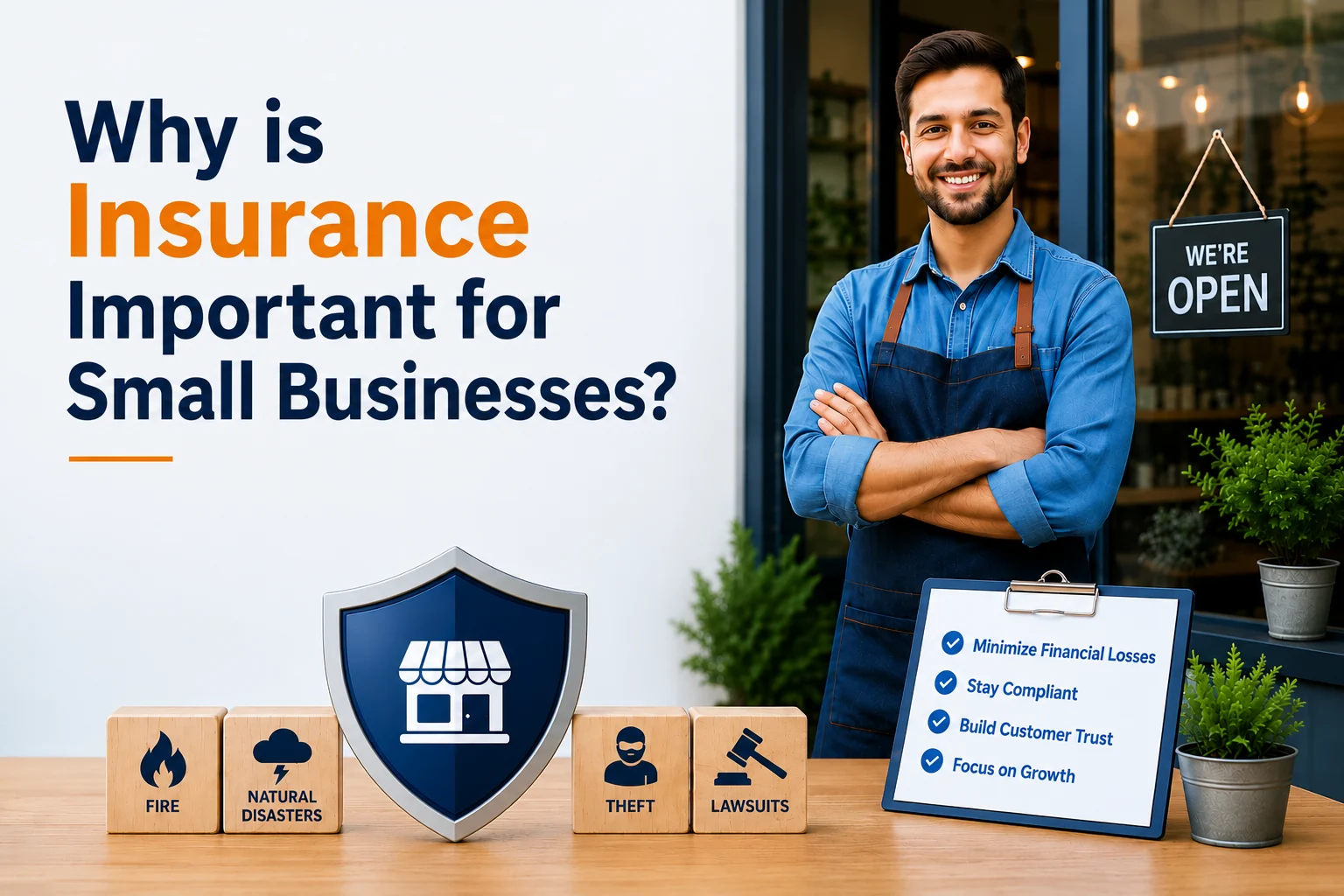
A lot of people who own businesses think they can deal with insurance later on.
They think they will get insurance when they are making money. They think they will get it when they have employees. Also, they think they will get it when their business is doing better. The thing is, things can go wrong at any time.
A person who owns a restaurant might wake up one day. Find out that their kitchen is flooded. Also, a contractor might have to deal with a claim that says they damaged someone’s property. A marketing agency might receive a letter from a lawyer because a client is unhappy.
An online store can have a problem if someone breaks into their computer system and steals customer information.
Most business owners do not think this can happen to them. It is bad because business owners are usually busy thinking about how to attract customers, make sales, market, and grow their businesses.
They do not think about someone getting into their computer system. This makes it hard for them when something like that happens. Most business owners think about getting customers.
They think about making sales. They also think about growing their business. They do not think about someone stealing customer information.
Few people think about what could go wrong. It is not because they are not careful. It is because they think everything will be okay. Every person who starts a business thinks that things will work out. Most of the time they do work out.
Sometimes things do not go as planned. One lawsuit or one accident can cost a lot of money and many small businesses are not ready for that. That is why small business insurance is important. It is not something that costs money.
The business insurance benefits is something that can help a business survive when something goes wrong. Small business insurance is one of the things that can make a difference between a small problem and a big financial problem.
The Mistake Many Small Business Owners Make
Many small business owners think that insurance is really for big companies. This idea makes sense at first.
Big companies have a lot of offices, a lot of employees, and a lot of customers, so they seem like they would have problems. This is not always true. Big companies usually have a lot of money saved up, so if something bad happens, they can handle it.
Small businesses do not have a lot of money saved up. If a small business gets into a problem that costs twenty thousand dollars, it can cause a lot of trouble. It can affect the people who work for the business the daily work, and their plans for the future.
For a company, twenty thousand dollars is not a lot of money. This is why small businesses need insurance. The more the business needs protection. Insurance is important for businesses of all sizes, including small businesses with limited money.
One Incident Can Change Everything
Think about an example. A customer walks into a store on a morning that was really rainy. The floor near the door is wet because of all the rain. This customer slips on the floor and gets hurt.
What was a day for the store suddenly turns into a big problem with lawyers and money. The customer’s medical bills and the store’s legal fees and possible payments to the customer can add up fast.
Now imagine that same situation without small business insurance coverage. The business owner must pay those expenses directly from company funds. For many small businesses, that can create serious financial pressure.
This is where insurance for small business owners coverage proves its value. The goal is not to eliminate risk. No policy can do that. Also, the goal is to prevent one incident from becoming a business-ending event.
Insurance Protects More Than Money
Most conversations about insurance focus on financial protection. That is understandable.
Money is usually the thing people think about after something bad happens. Insurance does a lot more than just help with money problems. It helps people keep moving forward.
Small businesses have to work hard to get people to trust them and to get customers. They also have to make sure everything runs smoothly. When something unexpected happens, the people in charge need to focus on fixing the problem, not worrying about how they will pay for it.
Having the right insurance helps businesses get back on their feet faster and keep going. Knowing that they have this protection makes business owners feel better. That is a really big benefit of having business insurance.
The Risks Owners Often Overlook
Some risks are obvious. Others are not. Many business owners think about fires, theft, or property damage. Fewer think about professional mistakes, cyber threats, or legal disputes.
Yet those issues are becoming increasingly common. A consultant can be accused of providing poor advice. A web design agency can face claims related to project delays. A small online business can experience a data breach.
Different Businesses Face Different Risks
Not every business needs the type of business insurance coverage. A construction company has risks compared to a bookkeeping firm. For example, a restaurant faces more challenges than an online retailer.
This is why you should not treat insurance as a one-size-fits-all purchase. To get the insurance identify the risks that could hurt your business the most. Consider what could have the biggest impact on your business and find insurance that covers those risks.
| Type of Coverage | Why It Matters |
|---|---|
| General Liability Insurance | Helps with injury claims, property damage, and legal expenses |
| Commercial Property Insurance | Protects equipment, inventory, and physical assets |
| Professional Liability Insurance | Helps cover claims related to professional services |
| Workers’ Compensation Insurance | Provides protection when employees suffer work-related injuries |
| Cyber Liability Insurance | Helps businesses recover from data breaches and cyber incidents |
| Business Interruption Insurance | Helps cover lost income during unexpected disruptions |
The right combination depends on the nature of the business, the industry, and the level of risk involved.
Why Waiting Can Be Expensive
Many business owners put off getting insurance to cut costs when their company is just starting out. That seems like an idea at the time. Every dollar does count when you’re new. The thing is, risks are there from the start.
Customers don’t wait until the year to complain. Storms and bad weather don’t wait until you make an amount of money. Hackers don’t check how long you’ve been in business before they strike.
Having protection for your business is most useful when you already have it before something goes wrong. By the time something bad happens, it’s too late to buy insurance to cover that event.
The Real Value of Insurance
Business owners purchase software because it makes their work easier and gets things done faster. They spend money on marketing because it brings in money.
They hire people to work for them because when a business gets bigger, it needs help. Insurance is different from all these things. It keeps everything that business owners have worked for. The real value of insurance is not in the policy.
The real value of insurance is, in the fact that business owners do not have to worry much about something bad happening and ruining everything they have built over the years. This is something that many business owners learn as they get experience.
Final Thoughts
Building a business is already tough enough. You have to deal with companies trying to sell the same things as you, and the market is always changing.
Costs keep going up. Sometimes things happen that you do not expect. The last thing a business owner needs is a money problem that they could have avoided, because it can hurt the business.
That is why the importance of business insurance is a must. It is not about doing what you are supposed to do; it is about keeping the business and the people who work there safe.
It is about making sure they can keep working towards their goals. You never know what will happen in a year. You can decide if you want to be ready for it. Business insurance helps the business, the people who own it, and the people who work for the business.