
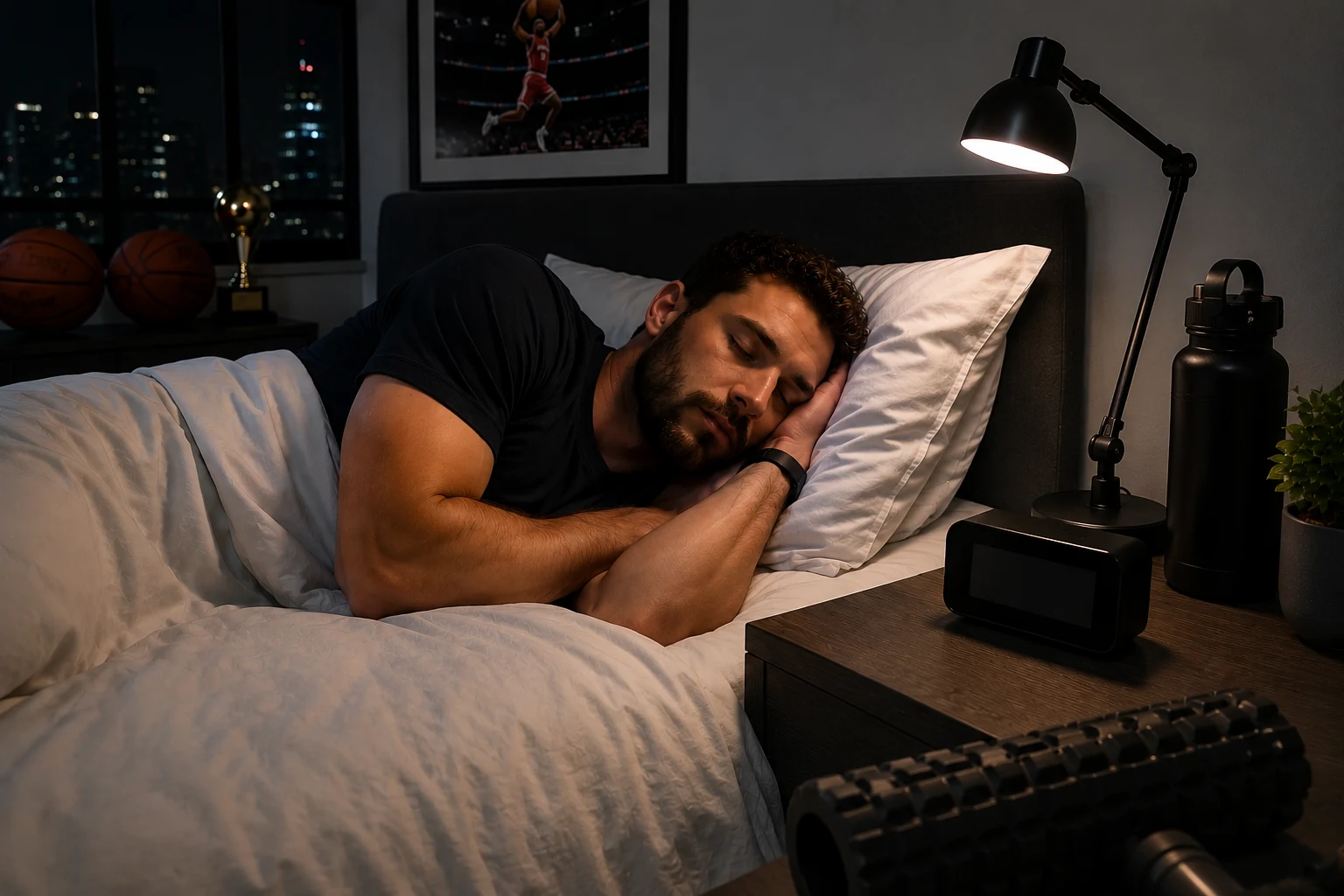
Every athlete knows that the work doesn’t end when the final whistle blows. In many sports, especially professional leagues, late-night games are common. While these games can be exciting for fans, they often create a major challenge for players—getting quality sleep afterward.
After an intense match, the body is still full of energy. The heart rate remains elevated, muscles are active, and the mind continues replaying important moments from the game. Even though the body feels physically tired, falling asleep can become surprisingly difficult. This is why Athlete Sleep has become a major focus in modern Sports Recovery programs.
Sleep is one of the most powerful recovery tools available. It supports Muscle recovery, improves mental focus, restores energy, and prepares athletes for their next training session or competition. Many people ask how many hours pro athletes sleep or how much pro athletes sleep because they understand that proper rest plays a huge role in Athletic Performance. While the exact amount varies depending on the individual and training schedule, most Professional Athletes aim for enough high-quality sleep to support complete recovery rather than simply spending more hours in bed.
The good news is that many of the strategies used by elite athletes can also benefit recreational athletes and fitness enthusiasts. Understanding How Athletes Recover after demanding competitions provides valuable lessons that anyone can apply to improve sleep and recovery.
In this guide, you’ll learn why late games interfere with sleep, the science behind post-game sleep disruption, and the practical techniques Pro Athletes use to improve Recovery Sleep and maintain peak performance throughout a long season.
Why Late Games Make It Hard to Sleep
Playing at a high level places enormous demands on both the body and mind. After competition, athletes don’t simply switch off and fall asleep. Several physical and mental changes continue for hours, making it difficult to achieve the Best Sleep needed for full recovery.
► Adrenaline Keeps the Body Alert
One of the biggest reasons athletes struggle to sleep after competition is adrenaline. During competition, adrenaline helps increase energy, reaction time, and focus. It’s essential for performing at a high level, but it doesn’t disappear immediately after the game ends.
Even after leaving the field, many athletes still experience:
- Increased heart rate
- Faster breathing
- Mental alertness
- Heightened excitement
- Difficulty relaxing
This is especially common after close games, championship matches, or emotionally intense competitions. The body remains in “competition mode,” making it difficult to transition into sleep. This delayed relaxation explains why many athletes spend time cooling down instead of heading straight to bed.
► High Body Temperature After Competition
Exercise naturally increases body temperature. After an intense game, muscles continue producing heat even after activity has stopped. However, the body sleeps best when its core temperature gradually decreases.
If body temperature remains elevated, falling asleep becomes more difficult because the brain receives signals that the body is still active rather than ready for rest.
Professional teams often include cool-down routines such as:
- Light jogging
- Gentle stretching
- Breathing exercises
- Cold showers or ice baths
- Compression recovery
These methods help lower body temperature gradually while beginning the recovery process.
► Bright Lights and Screen Exposure
Professional sporting events usually take place under powerful stadium lighting. Bright lights can confuse the body’s internal clock, known as the Circadian rhythm, by delaying the release of Melatonin, the hormone that helps prepare the body for sleep. The challenge doesn’t stop once the game is over.
Many athletes spend time:
- Watching game highlights
- Checking social media
- Reading match analysis
- Responding to messages
- Looking at team statistics
Extended screen exposure adds even more bright light, making it harder for the brain to recognize that it’s time to sleep. Reducing screen time after competition has become an important part of Sleep Optimization for many elite athletes.
► Late Meals and Caffeine Intake
Nutrition is essential after competition because the body needs fuel for athlete recovery. However, timing and food choices matter. Many athletes eat their recovery meal late at night because games often finish well after normal dinner hours. Heavy meals, spicy foods, excessive sugar, or large amounts of caffeine may interfere with digestion and delay sleep.
Sports nutrition experts usually recommend recovery meals that provide:
| Goal | Recommended Nutrients |
|---|---|
| Rebuild muscles | Lean protein |
| Restore energy | Complex carbohydrates |
| Reduce dehydration | Fluids and electrolytes |
| Support recovery | Fruits and vegetables |
Some athletes also use specialized workout nutrition for athletes plans that balance recovery needs while minimizing sleep disruption.
► Travel and Irregular Sleep Schedules
Professional sports often require frequent travel. Crossing time zones, sleeping in hotels, late flights, and changing routines all affect the body’s natural rhythm. Even without crossing multiple time zones, simply arriving home several hours later than usual can disrupt the normal athletes sleep schedule.
Travel-related challenges include:
- Sleeping in unfamiliar environments
- Different room temperatures
- Noise
- Changing meal times
- Altered bedtime routines
Managing these disruptions has become a key part of Professional Athlete Recovery programs throughout modern sports.
The Science Behind Post-Game Sleep Disruption
Understanding what happens inside the body helps explain why sleep doesn’t always come easily after intense competition. Sports scientists continue studying Sleep and Sports Performance because quality sleep directly affects recovery, training adaptation, and future performance.
♦ How Adrenaline Delays Sleep
Adrenaline prepares athletes to perform under pressure.
During competition, it increases:
- Blood flow
- Oxygen delivery
- Reaction speed
- Mental focus
- Energy production
These responses are beneficial during the game but become a challenge afterward. Although physical activity has ended, adrenaline may stay elevated for several hours. This creates a situation where athletes feel physically exhausted but mentally wide awake.
For this reason, many teams build a gradual post-game routine instead of expecting players to sleep immediately after competition.
♦ The Role of Cortisol and Melatonin
Another important factor is the relationship between cortisol after exercise and Melatonin. Cortisol is often called the body’s stress hormone. During high-intensity competition, cortisol naturally rises to help the body meet physical demands.
At the same time, melatonin production may be delayed because of:
- Bright stadium lights
- Emotional excitement
- Elevated body temperature
- Screen exposure
Normally, melatonin signals the brain that it’s time for sleep. When cortisol remains elevated and melatonin release is delayed, falling asleep becomes much more difficult. Learning how to manage this balance is one of the most effective Recovery Strategies used by elite athletes.
♦ Why Your Body Needs Time to Cool Down
Sleep isn’t controlled by tiredness alone. The body also depends on several physical signals that indicate it’s safe to rest. One of those signals is decreasing body temperature. Following intense exercise, muscles continue generating heat while metabolism remains elevated.
This delays the body’s natural transition into:
- Deep sleep
- REM sleep
- Physical recovery
- Mental restoration
Both REM sleep muscle recovery and Deep sleep play different but equally important roles. During deep sleep, the body focuses heavily on tissue repair, immune function, and physical recovery.
During REM sleep, the brain processes learning, decision-making, emotional regulation, and memory—important abilities for athletes preparing for future competitions. Only after body temperature gradually falls does the body enter these restorative sleep stages more efficiently.
This explains why experienced athletes rarely rush directly from the locker room to bed. Instead, they allow time for cooling down, rehydrating, relaxing, and preparing the body for restorative sleep.
Why Sleep Is Essential for Athletic Recovery
Getting enough sleep is one of the most effective ways to improve Athletic Recovery. Training, practice sessions, and competitions place stress on the body. Sleep is the time when the body repairs that stress, rebuilds muscles, and prepares for the next challenge.
For Professional Athletes, recovery isn’t just about resting—it’s about recovering in a way that helps maintain consistent performance throughout a demanding season. That’s why sleep and athletic performance are closely connected.
✦ Muscle Repair and Growth
Every workout or game creates tiny tears in muscle fibers. These are a normal part of training and are necessary for building stronger muscles.
During deep sleep, the body releases growth hormone, which supports:
- Muscle repair
- Tissue recovery
- Protein synthesis
- Physical healing
Without enough quality sleep, these recovery processes become less efficient. As a result, soreness may last longer, and athletes may struggle to perform at their best in the next training session. This is one reason why sleep muscle recovery is considered an essential part of every athlete’s recovery plan.
✦ Mental Recovery and Focus
Physical recovery is only one side of the equation. Athletes also need their brains to recover after mentally demanding competitions. A game requires constant decision-making, quick reactions, communication, and concentration. Sleep allows the brain to process everything that happened during the competition.
Good sleep helps improve:
- Focus
- Decision-making
- Reaction time
- Learning new skills
- Emotional control
Whether an athlete wins or loses, quality sleep helps prepare the mind for the next performance.
✦ Hormone Balance
Training and competition affect several hormones throughout the body.
Healthy sleep supports the balance of hormones involved in:
- Muscle growth
- Energy production
- Appetite regulation
- Stress management
- Recovery
When sleep is consistently interrupted, hormone balance can be affected, making recovery slower and increasing fatigue over time.
✦ Injury Prevention
Fatigue often leads to slower reactions and poor movement patterns. These small changes can increase the risk of injury during training or competition. Research has shown that athletes who regularly get enough sleep generally maintain better coordination, faster reactions, and improved concentration. By making sleep a priority, athletes give their bodies more time to recover, helping reduce the likelihood of overuse injuries and performance-related mistakes.
✦ Improved Athletic Performance
Sleep supports nearly every aspect of Sports Performance.
Athletes who recover well often notice improvements in:
| Benefit | Impact on Performance |
|---|---|
| Faster reaction time | Better decision-making during competition |
| Increased energy | Improved endurance and consistency |
| Better muscle recovery | Higher training quality |
| Sharper focus | Fewer mental mistakes |
| Better mood | Greater confidence and motivation |
This is why coaches, sports scientists, and medical teams consider sleep one of the most valuable tools for long-term performance recovery.
Effective Sleep Strategies Used by Pro Athletes After Late Games
Elite athletes understand that sleep doesn’t happen automatically after a demanding competition. Instead, they follow structured recovery habits that help the body transition from competition mode to recovery mode.
➤ Follow a Consistent Post-Game Routine
One of the biggest differences between professional athletes and recreational athletes is consistency. Many professionals follow nearly the same routine after every game. A predictable routine signals the brain that competition has ended, and recovery has begun.
A typical post-game routine may include:
- Cooling down
- Stretching
- Eating a recovery meal
- Hydrating
- Showering
- Relaxation exercises
- Preparing for sleep
Following the same sequence regularly helps build a reliable Sleep Routine, even after late competitions.
➤ Cool Down Before Bed
Stopping intense exercise suddenly isn’t ideal for recovery. Instead, athletes spend time allowing the body to gradually return to a resting state.
Common recovery techniques include:
- Walking
- Light cycling
- Gentle stretching
- Foam rolling
- Controlled breathing
These Sports Recovery Techniques help reduce muscle tension while encouraging the body to relax naturally.
➤ Stay Hydrated
Even mild dehydration can affect recovery. During competition, athletes lose fluids through sweat. Replacing those fluids supports circulation, temperature regulation, and muscle function.
Good hydration also supports better Sleep Quality, especially after physically demanding games. Water is usually the foundation of recovery, while electrolyte drinks may also be useful after heavy sweating.
➤ Limit Screen Time
Phones, tablets, and televisions keep the brain mentally active while exposing the eyes to bright light. Many athletes avoid unnecessary screen use before bed because it may delay the body’s natural production of melatonin.
Instead, they choose calming activities like:
- Reading
- Meditation
- Stretching
- Listening to relaxing music
- Journaling
These habits make it easier to fall asleep.
➤ Create a Sleep-Friendly Environment
The bedroom plays a major role in sleep quality. Professional athletes often try to create an environment that encourages uninterrupted sleep.
Helpful habits include:
- Keeping the room cool
- Making the room as dark as possible
- Reducing noise
- Using comfortable bedding
- Avoiding unnecessary distractions
Small improvements in the sleeping environment can make a noticeable difference over an entire season.
➤ Practice Relaxation Techniques
Even after physical recovery begins, the mind may still be active. Relaxation methods help reduce mental stimulation before bed.
Popular techniques include:
- Deep breathing
- Progressive muscle relaxation
- Meditation
- Mindfulness
- Gentle yoga
These practices help reduce tension and support a smoother transition into sleep.
➤ Manage Travel and Jet Lag
Travel is one of the biggest recovery challenges for professional athletes. Changing time zones can disrupt the body’s natural Circadian rhythm, making it harder to fall asleep or wake up at the desired time.
Athletes often prepare for travel by:
- Adjusting sleep schedules gradually
- Staying hydrated during flights
- Getting natural daylight after arrival
- Following consistent meal times
- Avoiding unnecessary late-night stimulation
These simple habits help reduce the impact of travel on recovery.
➤ Track Sleep with Wearable Devices
Technology has become an important part of modern Sports science. Many athletes now use a wearable sleep tracker or other wearable sleep devices to better understand their recovery.
A sleep tracker may monitor:
- Sleep duration
- Heart rate
- Recovery trends
- Resting heart rate
- Sleep stages
While no device replaces professional medical advice, tracking sleep can help athletes recognize habits that improve or reduce recovery over time. Modern teams often combine this information with training data to make smarter recovery decisions throughout the season.
Nutrition Habits That Support Better Sleep
Nutrition plays an important role in both Post-Game Recovery and sleep. After a demanding game, the body needs the right nutrients to replenish energy stores, repair muscles, and prepare for restful sleep. However, eating the wrong foods or eating too much before bed can make it harder to fall asleep. Professional athletes usually work with sports nutritionists to create recovery meals that support both performance and quality sleep.
✸ Foods That Promote Better Sleep
A balanced recovery meal should provide nutrients that help the body recover without making digestion too heavy before bedtime.
Some good post-game food choices include:
- Lean chicken or turkey
- Fish
- Eggs
- Greek yogurt
- Oatmeal
- Brown rice
- Sweet potatoes
- Bananas
- Cherries
- Kiwi
- Nuts in moderate portions
These foods provide a combination of protein and carbohydrates that support Recovery Sleep while helping restore energy after competition. Including proper Recovery nutrition after a game also helps prepare the body for the next day’s training session.
✸ Foods and Drinks to Avoid Before Bed
Not every recovery snack supports good sleep. Some foods and drinks can keep the body awake longer or make sleep less comfortable.
Athletes generally avoid:
- Energy drinks
- Large amounts of coffee
- Strong tea late at night
- Heavy fried meals
- Spicy foods
- Sugary desserts
- Large portions immediately before bed
These foods may slow digestion or increase alertness, making it harder to relax after a late-night game.
✸ How Hydration Affects Sleep Quality
Hydration supports almost every recovery process in the body. After intense exercise, replacing lost fluids helps regulate body temperature, transport nutrients, and support normal muscle function. However, athletes also avoid drinking excessive amounts of water immediately before bed because it may interrupt sleep with frequent bathroom visits.
The goal is to stay consistently hydrated throughout the day rather than trying to replace all lost fluids at bedtime. Finding the right balance supports better Sleep Quality and more effective recovery.
Common Sleep Mistakes Athletes Avoid
Even experienced athletes can develop habits that slow recovery. Understanding these common mistakes helps improve both sleep and overall performance.
► Going to Bed Immediately After a Game
Many people assume that feeling physically exhausted means they will fall asleep instantly. In reality, the body often needs time to recover from intense competition.
Skipping the cool-down process and going straight to bed may lead to:
- Restlessness
- Difficulty falling asleep
- Poor-quality sleep
- Frequent waking during the night
Allowing the body to gradually relax usually leads to better recovery.
► Using Electronic Devices Before Sleep
Scrolling through social media or watching videos after a game may seem harmless, but it can delay sleep. Electronic devices expose the eyes to bright light while also keeping the brain mentally engaged. Instead of immediately reaching for a phone, athletes often spend a few minutes stretching, reading, or practicing breathing exercises before bed.
► Consuming Too Much Caffeine
Many athletes use caffeine before competition because it can improve alertness and focus. However, consuming additional caffeine after a game can make it much harder to fall asleep. The effects of caffeine can last for several hours, depending on the individual. Athletes who regularly compete at night often work with coaches and nutrition specialists to carefully manage caffeine intake around competitions.
► Skipping Recovery Nutrition
Some athletes lose their appetite after competition and decide to skip eating altogether. This may slow recovery because the body still needs nutrients to repair muscles and restore energy. Even a light recovery meal with protein and carbohydrates is usually better than eating nothing. Proper nutrition and sleep work together to support Performance recovery.
► Ignoring a Consistent Sleep Schedule
A regular sleep schedule helps the body’s internal clock function more efficiently. Going to bed and waking up at very different times every day can make it more difficult to fall asleep after late competitions. While occasional schedule changes are unavoidable during a busy season, maintaining consistency whenever possible helps improve long-term recovery.
How to Sleep Better After Late Games: Tips You Can Use
You don’t need to be a professional athlete to benefit from better recovery habits. Whether you compete in sports, train regularly, or play recreational games, these simple strategies can help improve sleep after evening exercise.
♦ Build a Relaxing Bedtime Routine
The body responds well to routines. A relaxing bedtime routine tells the brain that it’s time to transition from activity to rest.
A simple routine might include:
- Taking a warm shower
- Gentle stretching
- Reading a book
- Practicing deep breathing
- Listening to calming music
Following the same routine each night makes it easier to fall asleep, even after intense activity.
♦ Keep Your Bedroom Cool and Dark
Your sleeping environment has a direct impact on sleep quality.
To create a better sleep environment:
- Keep the room cool.
- Block outside light with curtains or an eye mask.
- Reduce noise as much as possible.
- Keep electronic devices away from the bed.
These small adjustments encourage deeper, more restful sleep.
♦ Eat a Light Recovery Meal
After a game, the body needs nutrients—not a heavy feast.
Choose a balanced meal that includes:
- Lean protein
- Healthy carbohydrates
- Fruits or vegetables
- Plenty of fluids
Eating within a reasonable time after exercise supports recovery while reducing the chance of going to bed hungry.
♦ Stay Consistent with Your Sleep Schedule
Even when games end late, try to return to your normal sleeping schedule whenever possible. Consistency helps strengthen your natural Sleep Routine and supports a healthier Circadian rhythm. If you regularly compete in the evening, planning your bedtime routine in advance can make the adjustment much easier.
♦ Give Your Body Time to Wind Down
One of the best sleep tips for athletes is also one of the simplest: don’t rush to bed. Give yourself 30 to 60 minutes to unwind before trying to sleep.
Use this time to:
- Stretch lightly
- Rehydrate
- Eat your recovery meal
- Practice relaxation techniques
- Prepare for the next day
This gradual transition helps the body move naturally from competition mode into recovery mode.
Bottom Line
Late competitions make it more challenging to fall asleep, but they don’t have to interfere with recovery. Elevated adrenaline, increased body temperature, travel, bright lights, and irregular schedules can all affect sleep after exercise, yet these challenges can be managed with the right habits.
Successful Professional Athletes don’t rely on a single recovery method. Instead, they combine consistent routines, proper hydration, balanced nutrition, relaxation techniques, and good sleep hygiene for athletes to improve recovery after every game. These habits help them achieve deeper sleep, support Muscle recovery, maintain mental focus, and stay ready for their next performance.
Whether you’re an elite competitor or someone who enjoys sports recreationally, prioritizing sleep can make a noticeable difference in how you feel and perform. By following these practical recovery strategies and maintaining healthy sleep habits, you’ll give your body the time it needs to recover, adapt, and perform at its best after every Late Night Game.
Thank you for taking the time to read this blog. We hope you found it helpful and learned something useful. If you enjoyed this article, please share it with your friends, family, or anyone who might benefit from it. Your support helps more people discover helpful information.